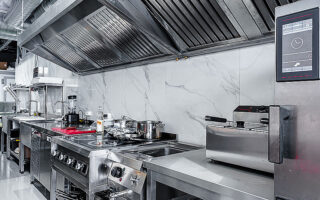
Combi ovens or combination ovens can cook food using multiple ways (steam, convection, and traditional cooking) that makes them essential appliances in commercial kitchens. However, if your combi oven stops working, it can become a problem. Refer to these common causes and consult a commercial gas oven repair expert for fixing your combi oven.
Causes Of A Commercial Combi Oven Not Working
Power Supply Problem
If the oven won’t turn on at all, the power supply is the first thing to check. Commercial combi ovens pull a lot of electricity, and a surge or overload can trip the breaker or blow a fuse. Loose wiring at the outlet or junction box can also cut power.
How To Fix It?
Start by resetting the breaker and checking that the plug is seated firmly. Test the outlet with another appliance to confirm it’s live. If the breaker trips again right away, stop and call an electrician, since that points to a wiring problem or a short inside the oven itself.
Damaged Door Gasket
The door gasket keeps heat and steam locked inside, so when it cracks, tears, or flattens out, the oven struggles to hit and hold temperature. You might notice longer cook times, steam escaping around the door, or error codes tied to temperature.
How To Fix It?
Open the door and run your finger along the seal, looking for hard spots, gaps, or damage. Replacement is usually simple: unscrew or unclip the old gasket, clean the groove, and press the new one into place. Check the gasket every month and replace it yearly or sooner if you see wear, since constant heat cycles break the material down.
Water Supply Problem
Combi ovens need a steady water supply for steam mode, and anything interrupting that flow shuts down steam cooking fast. A closed shutoff valve, a kinked supply line, a clogged inlet filter, or low water pressure can all trigger error codes or stop steam generation.
How To Fix It?
First, make sure the valve behind the unit is fully open and the line isn’t bent or pinched. Then check the water filter cartridge and swap it out if it’s dirty. If the supply looks fine but steam still won’t build, the inlet solenoid valve may have failed and needs a technician.
Scale Buildup
Hard water leaves calcium and lime deposits inside the boiler, steam lines, and spray system, and that buildup is one of the most common reasons combi ovens break down. Scale insulates heating elements, clogs water jets, and makes the boiler work harder until parts fail. You’ll see slower steam production, uneven cooking, or error codes.
How To Fix It?
Descale the unit on the schedule your manual recommends, using a food-safe descaling solution run through the boiler and drain cycle. In hard-water areas, install a water treatment system or filter, and descale more often. Monthly checks keep buildup from ever getting serious. Regularly clean and maintain your oven to prevent scale from building up.
Faulty Door Latch
The oven won’t run unless it knows the door is closed, and that job falls to the door switch. When the switch wears out or the hinge and latch get bent out of alignment, the oven thinks the door is open and refuses to start, or it shuts off mid-cycle.
How To Fix It?
Look for a door that doesn’t close flush, a latch that feels loose, or a unit that stops the moment you bump the handle. Tighten loose hinges and realign the latch first. If the alignment looks fine but the oven still won’t start, the switch itself has likely failed and needs replacing. Consult a combi oven or commercial steamer repair Springfield technician.
Burnt-Out Heating Element
Heating elements are used for both heat and steam, and they burn out over time, especially in busy kitchens that run the oven all day. Signs include food cooking unevenly, the oven never reaching set temperature, or one mode working while the other doesn’t.
How To Fix It?
Shut off power to the oven and test each element with a multimeter; a healthy element shows continuity, while a dead one reads open. Replacing a heating element is usually straightforward if you’re comfortable with basic electrical work, but many kitchens let a technician handle it since elements sit deep inside the cavity.
Faulty Temperature Probe
The temperature probe tells the control board what’s happening inside the cavity, so a bad probe throws everything off. Food may undercook or burn, the display might show readings that make no sense, or the oven could throw an error code and lock out. Probe failure often comes from scale buildup, physical damage during cleaning, or just old age.
How To Fix It?
Test the probe with a multimeter and compare the reading to the specs in your manual. Replacement probes are inexpensive and usually screw or clip in, making this one of the easier fixes, though calibrating afterward may need an expert.
Convection Fan Motor Failure
The fan motor circulates hot air and steam around the food, so when it slows down or dies, cooking turns uneven and slow. You might hear grinding or squealing before the motor quits, or notice the fan not spinning at all. Grease buildup on the fan blades is another common culprit, since it throws the fan off balance and strains the motor.
Begin by unplugging the oven and cleaning the blades thoroughly. If the fan still won’t spin or keeps making noise, the motor bearings have probably failed, and a motor replacement is the fix.
Clogged Drain Line
Combi ovens push a lot of water and condensation out through the drain, and when grease, food particles, or scale clog that line, water backs up into the cavity or the drain pan overflows. Standing water can trip safety switches, trigger error codes, and even shut the oven down completely.
How To Fix It?
Check the drain hose for kinks first, then remove and clean the drain screen or filter at the bottom of the cavity. Flush the drain line with warm water and a degreaser. Running a cleaning cycle regularly and scraping pans before loading keeps the drain from clogging again.
Control Board Or Display Malfunction
The control board is the brain of the oven, and when it glitches, you get dead displays, unresponsive buttons, random error codes, or programs that won’t run. Power surges, moisture from steam, and heat exposure all shorten a board’s life.
How To Fix It?
Try a full reset first: cut power at the breaker for five minutes, then restore it, since this clears many minor glitches. Check for moisture or grease on the display and controls, and wipe them down gently. If the board still acts up after a reset, it needs professional diagnosis, since replacement boards are pricey and must match your model.
Gas Supply or Ignition Failure
For gas-powered combi ovens, no ignition means no heat. The problem could be a closed gas shutoff valve, a weak pilot or igniter, a clogged burner, or a faulty gas valve.
How To Fix It?
Start with the basics. Confirm the gas valve is open and other gas equipment on the line is working. If gas supply is okay but the burner won’t light, the igniter is the culprit. A clogged burner port can be cleaned with a soft brush, but anything involving the gas valve or gas line should go straight to a licensed technician, since gas repairs are not do-it-yourself work.
Conclusion
If your commercial combi oven is not working, check the electric, gas, and water supply. Plus, inspect the door gasket, hinges, and alignment, heating element, convection fan motor, and other components. And make sure to clean the oven regularly to remove scale buildup. Call in a commercial oven repair Fairfax technician for determining and fixing the problem quickly and effectively.